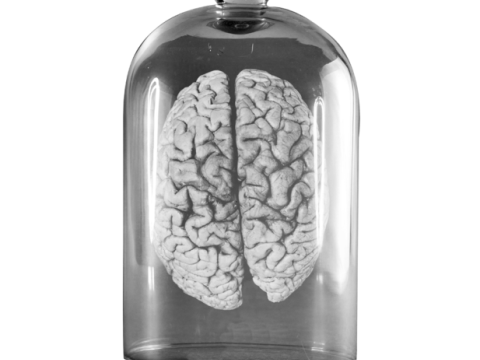
Horror and Disability 2 Continued from first zine but with more of a focus on the trope of associating evil with neurodivergence.
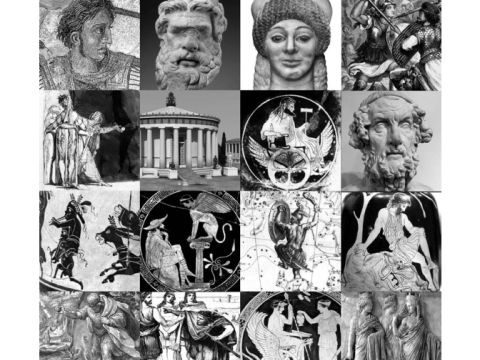
Ancient Greece and Disability Ancient Greek society engaged with disability in complex and often surprising ways. Disabled people were present across all levels of society,…
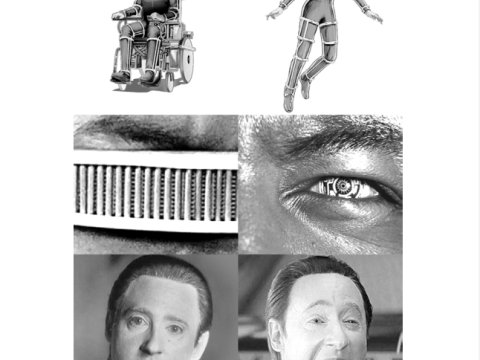
Star Trek and Disability - Vol 1 Infinite diversity in infinite combinations was not just an in-universe philosophy but it was something that Star Trek shows themselves strived…
Disabled Gods Disabled Gods offers a glimpse of how disability was thought of in the ancient past. This is not suitable for children, as it contains nudity, infanticide, human sacrifice, violence, murder,…
Disability Film Analysis Tools Representations of disabled people in media often perpetuate stereotypes that can reinforce prejudice and lead to the marginalisation and…
Wheelchair History This zine is a chronological visual history of wheeled chairs dating back to ancient times. Disabled people have existed for as long as humanity,…
Disabled Radicals Disabled people have been active parts of every society and liberatory movement. Yet when history is written, disability is often erased or stigmatised. This zine aims to celebrate the…
Disabled Feminists Feminist disability activism seeks to challenge intersecting forms of oppression and create a more inclusive and accessible world for all. This…
Disabled Communists and Anarchists (Volume 2) When communists and anarchists are remembered, their disabilities often go unacknowledged, even though they likely deeply impacted their lives…
Disabled Communists and Anarchists (Volume 1) Like many people in history, when communists and anarchists are remembered, their disabilities often go unacknowledged, even though they likely…
Interview With a Worker #5 Here Aotearoa Workers Solidarity Movement (AWSM) provides the 5th installment in our series of interviews with working class people who share…