Barricade Bulletin 16 - Dec/Jan/Feb 2021-2022 Issue 16 of Barricade Bulletin, with articles on migrant solidarity, strike action, Ryan Roberts and the Bristol Kill the Bill cases, prison…
Blake Escape: book reviews Reviews of books by Geroge Blake and the two libertarian activists who helped him to escape from prison in 1966.
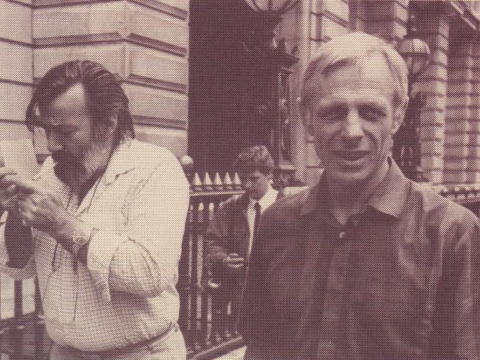
The Blake Escape: Michael Randle Interview Black Flag interviews Mike Randle, one of the activists who freed George Blake from Wormwood Scrubs in 1966. (Interview from 1989)
From Republicanism to Anarchism: The making of an anarchist in Portlaoise prison Irish anarchist Joe C describes his political journey and prison experiences. This article was first…
Their Crimes, Our Punishment: Texas Department of Criminal Justice's State-Wide Deadly Use of Force Cover-Ups Texas prisoner Jason Renard Walker writes on violence and cover-ups within the…
The unforgettable life of prison rebel Martin Sostre - William C Anderson A short biography of the Black anarchist and prison rebel Martin Sostre. Originally published at…
The New Prisoner - Martin Sostre (with introduction by Garrett Felber) A 1970s article from the revolutionary prisoner Martin Sostre, responding to the Attica uprising.
The Pandemic Inside: COVID-19 in Michigan Prisons A compilation of writing by prisoners in Michigan covering the first year of the pandemic. This publication was collected by Michigan Abolition…
The New Prisoner - Martin Sostre From his solitary cell at Auburn prison in 1972, political prisoner Martin Sostre warned that “if Attica fell to us in a matter of hours. . . so…
The Sport of Abusing Prisoners in Lucasville, Ohio: Like Pulling Wings Off Flies Incarcerated writer Kevin "Rashid" Johnson, recently transferred to Ohio, describes abusive…