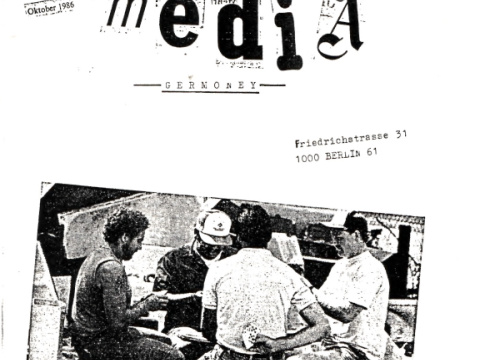
Echomedia Germoney #7 October 1986 English language coverage of sabotage and direct action in Germany August-September 1986.
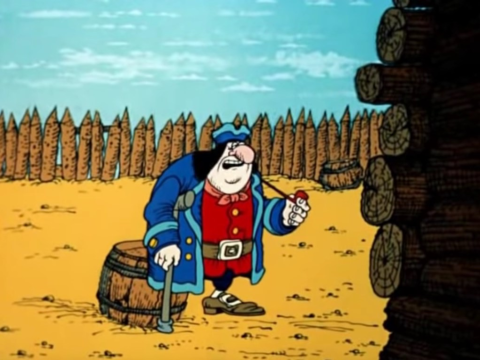
Racing Against Death. Ukrainian Desertion and Related Matters in 2026 "In an hour, those of you who remain alive will envy the dead." (John Silver from the ‘Treasure…
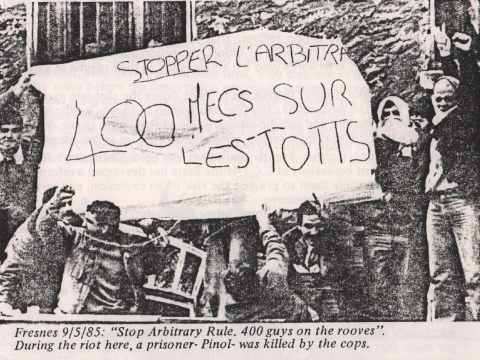
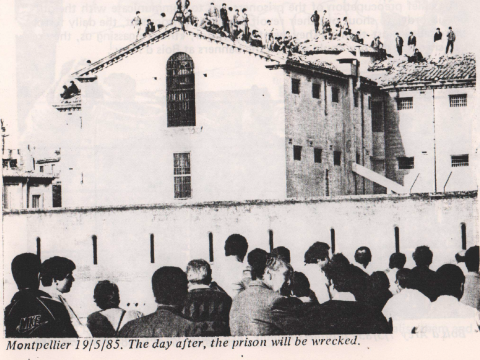
The truth about some actions carried out in solidarity with the prison mutinies Os Cangaceiros on various direct action and sabotage efforts in support of the 1980s prison mutinies…
Against drones of “resistance”. Against the enlisted left. On the Solidarity Collectives campaign in Italy (English // French) English translation of a proclamation against state mercenaries posing as …
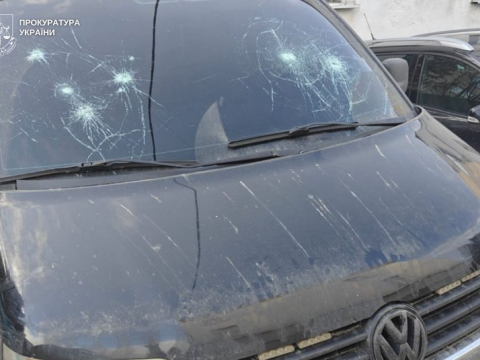
The war has entered its fifth year. On the intensification of street guerrilla in Ukraine The damaged van of man-catchers in Lviv. Photo from the regional prosecutor’s…
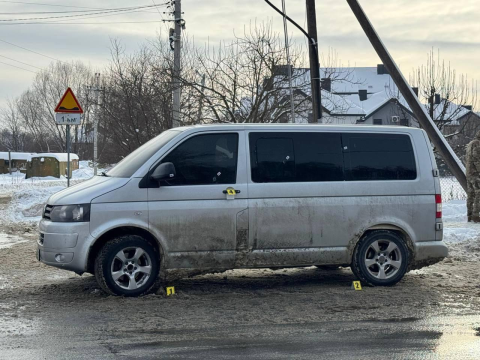
From Minneapolis to Ukraine, only street countering can stop the state-run hunt for people A bullet-riddled enlistment bus in the suburbs of Lviv. Photo from local social…
No War but Class War: Revolutionary Defeatism in the Russo-Ukrainian Conflict An article by the Polar Blast from February 22nd, 2025
Outputs and outcomes of the last several months. New Year's summary of the social war in Ukraine 2025 The title image: many draft dodgers in Ukraine wish this to happen for New Year…
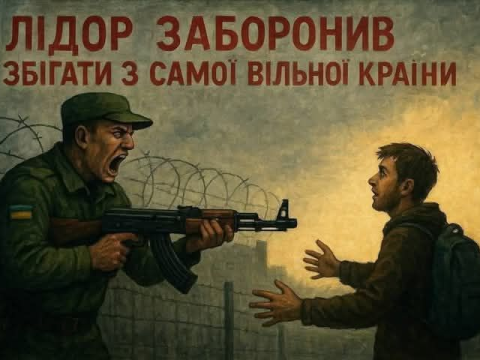
From self-demobilization to the abolition of Ukraine. Late autumn 2025 interview with the Assembly "The leader has forbidden fleeing the freest country." A big new interview with the…
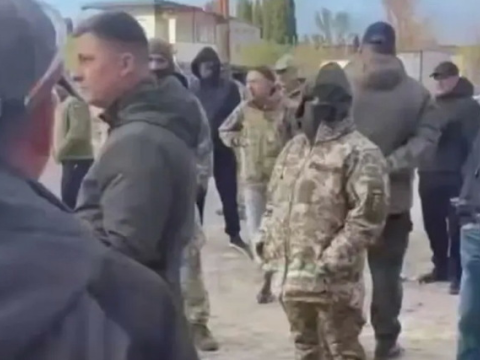
Social Resistance in Ukraine on the Eve of the War Funding Crisis: A Special Issue for the Anniversary of the October Revolution Title photo: mass clash in Kamenskoye. Frame depicting from the video
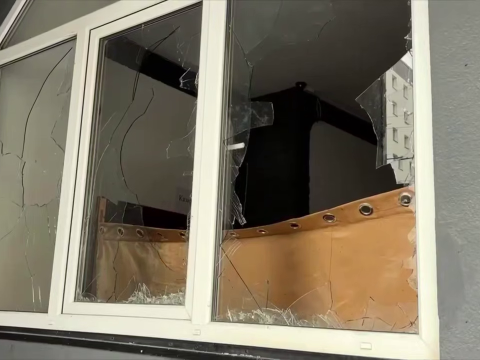
Ukraine: From sporadic resistance to war to the first hotbeds of collective struggle Broken windows of the Kalush TCR. Source: the state TV channel